
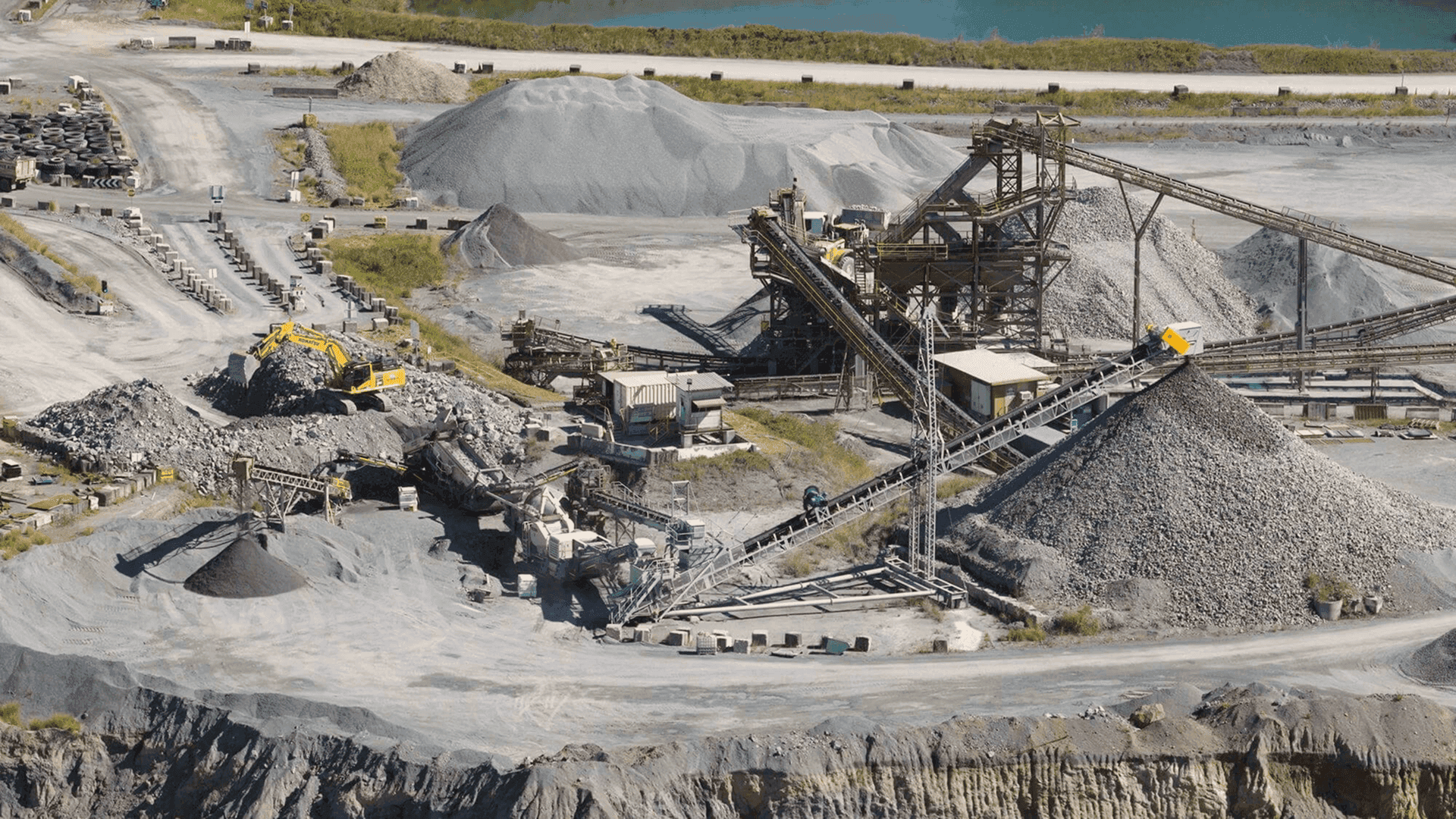
Conveyor Belts for the Mining Industry: Challenges and Solutions
Mining operations expose conveyor belts to severe abrasion, heavy impact, long conveying distances, and harsh operating conditions. Learn the key challenges faced in mining and the conveyor belt solutions designed to improve reliability, reduce downtime, and extend service life.
Mining operations place conveyor belts under constant stress, from transporting abrasive ores and overburden to handling heavy loads across long conveying distances. Selecting the right conveyor belt for each application improves reliability, reduces maintenance, and maximizes operational uptime.
Mining is one of the most demanding environments for conveyor systems. Conveyor belts must withstand abrasive materials, heavy impact loading, long conveying distances, and continuous operation in harsh outdoor conditions. Choosing the appropriate belt construction and cover grade is essential for reliable material handling throughout the mine.
The Biggest Conveyor Belt Challenges in Mining
- Severe Abrasion: Iron ore, coal, copper ore, limestone, aggregates, and other mined materials continuously wear conveyor belt covers. Abrasion resistant compounds help extend belt life and reduce replacement frequency.
- Heavy Impact Loading: Large rocks dropped onto loading conveyors create high impact forces that can damage belt covers and carcasses. Impact resistant belt constructions improve durability at loading and transfer points.
- Long-Distance Conveying: Open pit mines often rely on conveyors stretching several kilometers. These applications require belts with high tensile strength, low elongation, and excellent dimensional stability.
- Harsh Operating Conditions: Dust, moisture, changing temperatures, and continuous operation demand conveyor belts engineered for consistent performance with minimal maintenance.
Why Mining Operations Demand Specialized Conveyor Belts
Mining conveyors operate under widely varying conditions, and no single conveyor belt is suitable for every application. Factors such as material abrasiveness, conveyor length, loading conditions, and operating environment all influence the ideal belt construction and cover grade.
Selecting the right conveyor belt should consider:
- Material type and abrasiveness
- Lump size and impact at loading points
- Conveyor length and operating tension
- Capacity and continuous operating requirements
- Environmental conditions such as dust, moisture, and temperature
Choosing a conveyor belt matched to these operating conditions helps improve reliability, reduce maintenance, and maximize service life.
Recommended Conveyor Belts for Mining
Tiger M-27 Abrasion Resistant Conveyor Belt
Designed to deliver extended service life in demanding mining environments.
Key features:
- Superior abrasion resistance
- High cut and tear resistance
- Durable cover compound
- Reduced belt replacement frequency
Steel Cord Conveyor Belt
Engineered for demanding conveyor systems requiring maximum strength and reliability.
Key features:
- High tensile strength
- Minimal elongation
- Excellent dimensional stability
- Suitable for long conveyor lengths
General Purpose Conveyor Belt
A dependable multi ply fabric belt for everyday bulk material handling.
Key features:
- Durable fabric carcass
- Good flexibility
- Cost-effective performance
- Reliable for continuous operation
Conveyor Belts for Demanding Mining Operations
From crusher feed conveyors to overland conveying systems, SOMI Conveyor Beltings Ltd. manufactures conveyor belts for demanding mining applications. Request a Quote to find the right conveyor belt for your mining operation.