
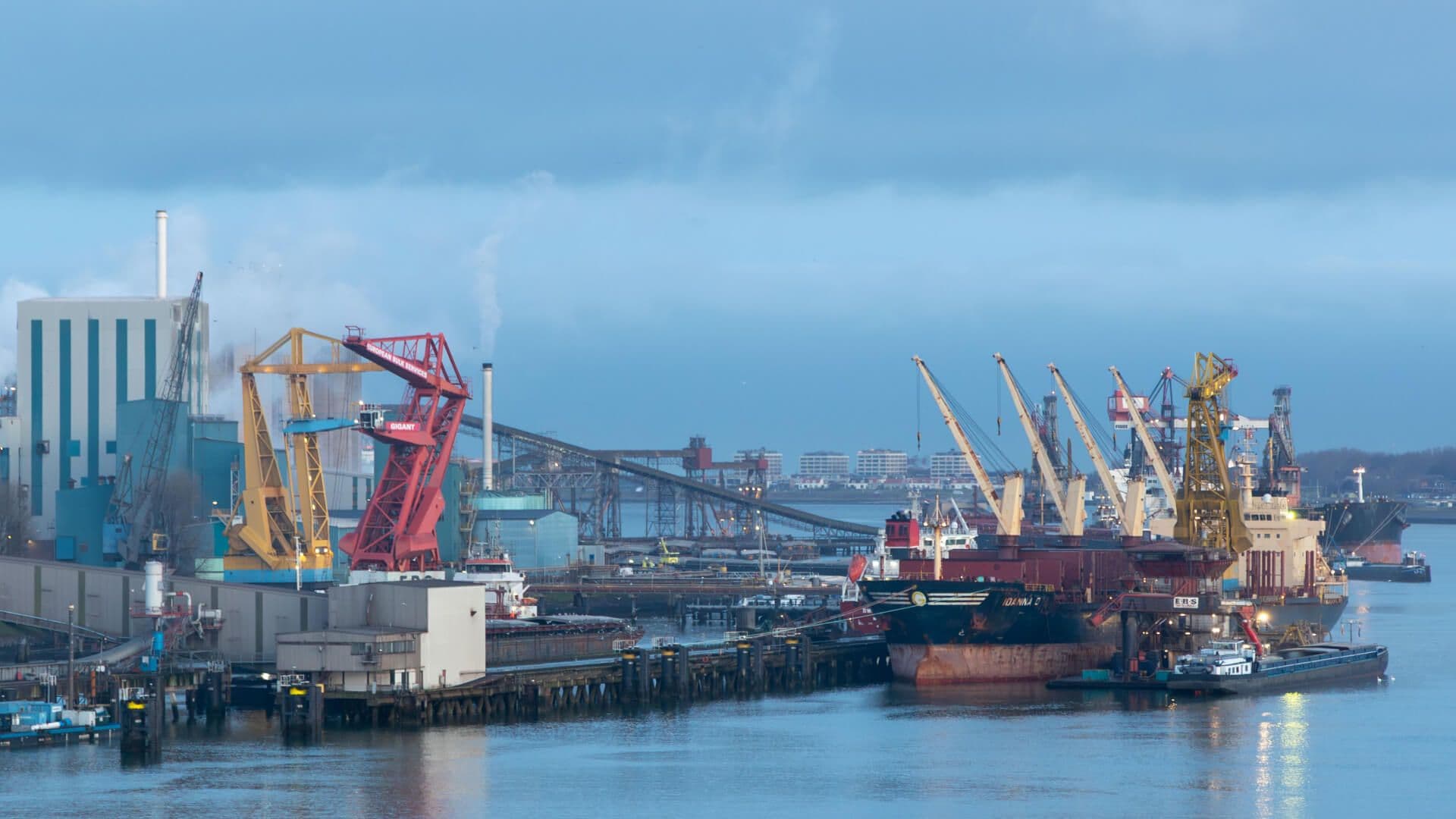
Conveyor Belts for Ports & Bulk Terminals: Applications & Solutions
Conveyor belts support ship loading, unloading, stockyard handling and bulk material transport across ports and terminals, handling materials such as coal, iron ore and limestone.
Ports and bulk terminals handle large volumes of materials between ships, stockyards, storage facilities and inland transport systems. Conveyor belts provide continuous material handling across these operations, making belt reliability important for efficient loading, unloading and bulk material movement.
From coal and iron ore to limestone, fertilizer and grain, each application places different demands on the conveyor belt. Selecting the right belt based on the material, conveying conditions and system requirements can help improve service life and reduce operational interruptions.
Where are Conveyor Belts used in Ports & Bulk Terminals?
Conveyor systems form the link between vessels, receiving facilities, stockyards and onward transport. Their configuration depends on where the material enters the terminal, where it is stored and how it is eventually dispatched.
In a typical bulk terminal, conveyors may operate as part of ship unloading and loading systems, stockyard operations, transfer stations, stacker-reclaimer systems and connections to rail or road transport.
Ship Unloading
During vessel unloading, bulk material is transferred from the ship through unloading equipment and receiving hoppers before entering the terminal's conveyor system. The conveyors then move the material towards stockyards, storage facilities or further processing.
These conveyors can handle high material volumes continuously, making belt capacity, impact resistance and abrasion resistance important considerations where heavy or abrasive materials are involved.
Stockyard Handling
Stockyard conveyors move material between receiving systems, storage areas, stackers and reclaimers. Depending on the terminal layout, this can involve multiple conveyors working together across large stockpile areas.
Common requirements include:
- High-capacity continuous conveying
- Reliable operation across multiple transfer points
- Suitable belt strength for the conveyor route
Stacker and Reclaimer Systems
Stackers distribute incoming material across stockpiles, while reclaimers recover stored material for onward movement. Conveyor belts form the connecting material-handling link within these systems.
The belt needs to maintain reliable performance through repeated loading and unloading cycles, particularly in high-throughput terminals.
Ship Loading
For vessel loading, conveyors carry material from stockpiles or storage facilities through the terminal's conveying network to the ship loader. Consistent material flow is important to maintain loading operations and minimise interruptions during vessel turnaround.
Depending on the material and system design, belts may need to handle high capacity, abrasion, impact and long conveying distances.
Rail and Truck Transfer
Conveyors can connect port storage and handling systems with rail or truck loading facilities, allowing bulk materials to move between different transport modes.
This can include:
- Stockyard-to-rail conveying
- Stockyard-to-truck loading
- Transfer between processing and dispatch areas
Long-Distance Conveying
Some terminals require material to travel considerable distances between berths, stockyards, processing facilities and inland transport connections. High-strength conveyor belts, including steel-cord constructions, can be used for these demanding routes.
Materials handled by Port Conveyor Systems
Port and bulk terminal conveyors handle a wide range of materials, including:
- Coal Handling: Large-volume coal movement between vessels, stockyards and onward transport systems.
- Iron Ore Handling: High-volume conveying of heavy and abrasive iron ore.
- Limestone Handling: Continuous transport of limestone for industrial and processing applications.
- Clinker Handling: Movement of clinker between storage, processing and dispatch areas.
- Aggregate Handling: Conveying of crushed stone, sand and other bulk aggregates.
- Fertilizer Handling: Bulk movement of fertilizer materials through storage and loading systems.
- Grain Handling: Efficient conveying of grain between vessels, storage and processing facilities.
The characteristics of the material, including abrasiveness, size, weight and temperature, influence the conveyor belt requirements.
Conveyor Belt Requirements for Port Applications
Port conveyor systems often operate under high material loads and demanding conditions. The belt should be selected according to the specific application.
- Abrasion Resistance: Helps withstand continuous wear from abrasive materials such as iron ore, coal, limestone and aggregates.
- Impact Resistance: Provides protection against damage when heavy or large materials are loaded onto the belt.
- High Tensile Strength: Supports long-distance and high-capacity conveying under sustained operating loads.
- Outdoor Conditions: Suitable belt properties help withstand exposure to sunlight, rain, humidity and changing weather.
- Continuous Operation: Reliable belt performance helps maintain consistent material flow across connected handling systems.
Choosing the Correct Conveyor Belt
The right belt depends on the material being conveyed, conveyor design and operating conditions.
- Material: Consider the material's abrasiveness, size, weight, temperature and other characteristics to determine the required belt properties.
- Loading Conditions: Heavy or large material requires suitable impact resistance, particularly at transfer and loading points.
- Conveying Distance: Long conveyor routes may require higher-strength belt constructions designed to handle continuous operating loads.
- Belt Capacity: The belt should be selected according to the required material flow and conveyor capacity.
- Operating Environment: Outdoor and marine environments require consideration of weather exposure and other site conditions.
- Belt Construction: The required reinforcement and cover grade should match the conveyor's strength, load and material-handling requirements.
Conveyor Belt Solutions for Ports & Bulk Terminals
Different conveyor belt constructions can be selected depending on the application and operating conditions.
M-24 Grade General Purpose Conveyor Belt
- General Bulk Handling: Suitable for coal, limestone, clinker and other commonly handled bulk materials.
- Terminal Conveying: Fits receiving, stockyard and transfer conveyors operating under standard conditions.
Tiger M-27 Abrasion Resistant Conveyor Belt
- Abrasive Materials: Designed for materials such as iron ore, aggregates and other highly abrasive bulk products.
- High Wear Areas: Suitable for conveyors where continuous material contact can cause significant belt cover wear.
- Heavy-Duty Handling: Provides enhanced abrasion resistance for demanding bulk material applications.
Steel Cord Conveyor Belt
- Long-Distance Conveying: Suited to conveyors connecting ports, stockyards and inland handling facilities over long distances.
- High Capacity: Suitable for systems transporting large volumes of bulk material continuously.
- High Tensile Strength: Designed for demanding conveyor systems where high belt strength is required.
Pipe Conveyor Belt
- Enclosed Conveying: Suitable where bulk materials need to remain enclosed along the conveying route.
- Dust Control: Helps limit material exposure and dust during transport.
- Reduced Spillage: Useful for port routes passing through environmentally sensitive or space-constrained areas.
Selecting a conveyor belt for port and bulk terminal applications requires consideration of the material, conveying distance, loading conditions and operating environment. The right belt construction and cover properties can help deliver dependable performance under demanding operating conditions.
Have a port or bulk material handling requirement? Contact SOMI Conveyor Beltings to discuss the right conveyor belt solution for your application.